For years, Building Information Modeling (BIM) has been surrounded by myths. Some believe it’s just a fancy 3D modeling tool, while others think it’s too complex or expensive for real-world projects. But the truth is far from that. Today, BIM is transforming the way architects, engineers, and contractors work together. It’s not just about design—it’s about smarter construction, better collaboration, and reduced costs.
In this blog, we’ll separate the myths from reality and explore the true benefits of BIM in modern projects. Whether you’re managing a small building or a large infrastructure, understanding BIM can help you achieve success with greater accuracy and efficiency.
What Is BIM?
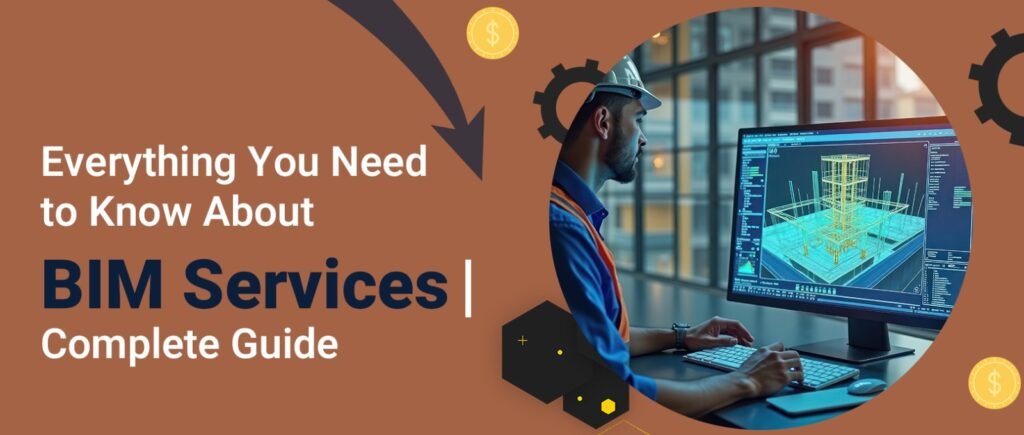
Building Information Modeling (BIM) is a digital process that creates and manages all the information about a building throughout its life cycle. It brings 3D design, data, and documentation together in one place, allowing all project stakeholders—architects, engineers, and builders—to work more efficiently.
Unlike traditional CAD drawings, BIM gives you a complete visual and informational model of your project, from concept to completion.
Myth 1: BIM Is Just About 3D Models
Reality: BIM goes beyond 3D visualization.
Yes, BIM includes 3D models, but it also covers 4D (time), 5D (cost), and even 6D (sustainability) dimensions. This means you can plan schedules, estimate costs, and assess environmental impact—all in one system.
With BIM, project teams can identify potential issues before construction begins, saving both time and money.
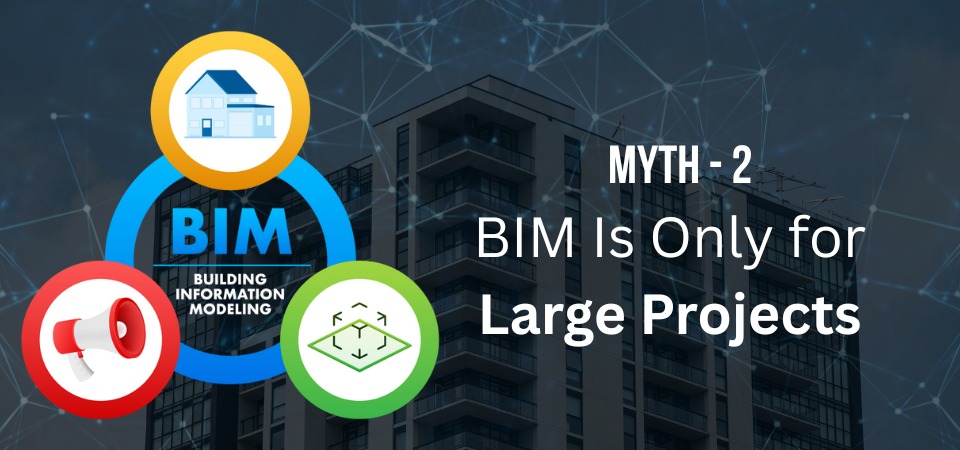
Myth 2: BIM Is Only for Large Projects
Reality: BIM benefits projects of all sizes.
Whether it’s a small residential home or a massive commercial complex, BIM adapts to all project scales. Even small firms use BIM to enhance accuracy, reduce rework, and improve collaboration.
For example, VEDS offers professional BIM services for clients across India, the USA, Canada, and the Middle East, helping them manage both small and large-scale projects with ease.
Myth 3: BIM Is Too Expensive
Reality: BIM saves money in the long run.
Many companies think BIM is costly because of the software and training involved. However, when you look at the long-term savings, BIM actually reduces costs.
By detecting clashes early, optimizing resources, and minimizing errors, BIM helps prevent expensive rework and delays. According to industry data, BIM can reduce overall project costs by up to 20–30%.
Myth 4: BIM Is Difficult to Use
Reality: Modern BIM tools are user-friendly and adaptable.
Today’s BIM platforms are designed to be intuitive, with easy-to-understand interfaces and cloud-based collaboration tools. Once your team is trained, they can quickly adapt to the system and work more efficiently.
Furthermore, BIM allows seamless data sharing between teams, meaning everyone—from architects to contractors—can stay on the same page.
The True Benefits of BIM in Modern Projects
Let’s now look at the real advantages BIM brings to today’s construction industry:
1. Enhanced Collaboration
BIM connects everyone involved in the project. Teams can access and update the same model in real time, reducing communication gaps and misunderstandings. This results in smoother project execution and better teamwork.
2. Improved Design Accuracy
With BIM, every element of the building is designed with precise measurements. The system automatically detects clashes and design conflicts, ensuring that the final design is accurate and buildable.
3. Faster Project Delivery
BIM supports better planning and scheduling. Since teams can visualize the project timeline (4D BIM), it becomes easier to predict potential delays and take preventive steps early.
4. Cost Efficiency
Through 5D cost estimation, BIM helps control project budgets. By knowing material quantities and costs early, you can plan efficiently and avoid waste.
5. Sustainability and Energy Efficiency
BIM supports green building design by analyzing materials, energy performance, and environmental impact. With this, you can make sustainable choices and reduce your project’s carbon footprint.
6. Better Facility Management
BIM doesn’t stop after construction—it continues to add value during the operation and maintenance phase. Building owners can access detailed data for maintenance, upgrades, and renovations easily.
Why Businesses Are Adopting BIM Rapidly
The construction industry is evolving fast. Companies are realizing that traditional 2D drawings are no longer enough to compete in a digital world. BIM brings together technology, teamwork, and transparency—three pillars of modern construction success.
By implementing BIM, firms can increase productivity, reduce risks, and deliver projects that meet both client and environmental expectations.
Many global construction companies now rely on trusted BIM partners like VEDS, known for offering professional BIM, VDC (Virtual Design & Construction), CAD drafting, and engineering design services. Their expertise helps clients bring innovation, accuracy, and reliability into every stage of their projects.
Conclusion
From myths to reality, BIM has proven to be one of the most powerful innovations in modern construction. It’s not just about creating models—it’s about enhancing collaboration, accuracy, and sustainability across every stage of a project.
If you’re looking to improve your construction workflow with reliable BIM solutions, connect with VED- Vertical Engineering & Design Solution Pvt Ltd today. Their experienced team can help you turn your project vision into reality with precision and innovation.