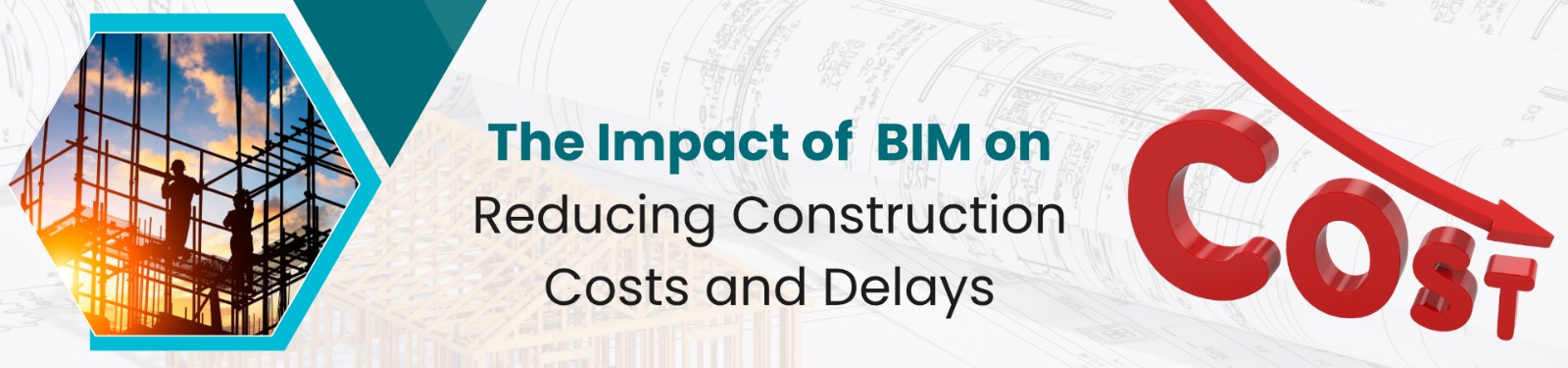
In today’s fast-growing construction industry, every company wants to save time and cut project costs. One of the best ways to do this is by using Building Information Modeling (BIM). This modern construction technology helps plan, design, and manage projects in a smarter way, making the construction business more organized, efficient, and profitable.
What is Building Information Modeling (BIM)?
Building Information Modeling, commonly known as BIM, is a smart digital process that helps architects, engineers, and builders work together using a single 3D model. It provides accurate details about every part of a building—from design to completion. With BIM, teams can visualize the entire project before construction even starts, helping to spot problems early and avoid costly errors later.
How BIM Reduces Construction Costs
- Early Problem Detection:
With BIM, any design clash or construction error can be identified at the planning stage itself. This prevents expensive rework and material waste on-site. - Better Resource Management:
BIM software helps plan materials, manpower, and equipment efficiently, reducing unnecessary spending and ensuring smooth workflow. - Accurate Cost Estimation:
By using Building Information Modeling, project managers get real-time updates and accurate cost estimations, which helps in staying within budget.
How BIM Helps Avoid Project Delays
- Improved Collaboration:
All project members—from designers to contractors—work on a shared digital model. This reduces confusion and ensures everyone is on the same page. - Faster Decision-Making:
Since the entire project data is easily available, teams can make quick and informed decisions, minimizing delays in execution. - Efficient Scheduling:
BIM technology allows automatic scheduling of tasks, which helps in proper time management and prevents unnecessary downtime.
Why BIM is the Future of the Construction Business
The construction business is becoming more competitive, and companies need smart tools to stay ahead. Building Information Modeling not only helps save time and money but also improves project quality. Many innovative companies like VEDS are already adopting BIM services to deliver better and faster results for clients across various sectors. With BIM, construction teams can visualize the entire project before it begins, reducing costly mistakes and ensuring smooth execution. It also helps in better coordination between teams, making the workflow more efficient. By improving accuracy and communication, BIM ensures timely project completion and higher client satisfaction. This is why BIM is quickly becoming the backbone of the modern construction industry.
Final Thoughts
The impact of BIM on reducing construction costs and delays is undeniable. This powerful construction technology makes projects more predictable, efficient, and sustainable. As more companies embrace Building Information Modeling, the future of the construction industry looks brighter, smarter, and more cost-effective.